



Offices and SMBs

    Every time something breaks, nobody knows who to call.

    I'm Rafael Rey โ€” I coordinate workstations, networks, servers, backup, telephony and vendors for offices and SMBs as a single technical point of contact. Fewer interruptions, less noise, daily operations that actually work.

    Service integration

    When the office depends on systems nobody sees as one environment

    An office does not fail only because a computer is slow or a call is missed. It fails when reception, support, business management systems, files, networking, backups, vendors, and internal processes are not connected. Real improvement starts when that base is treated as one operation.

    Telephony, WhatsApp, and email need shared criteria so service quality does not depend on who answers.

    PCs, printers, scanners, POS, and local systems need a clear support path.

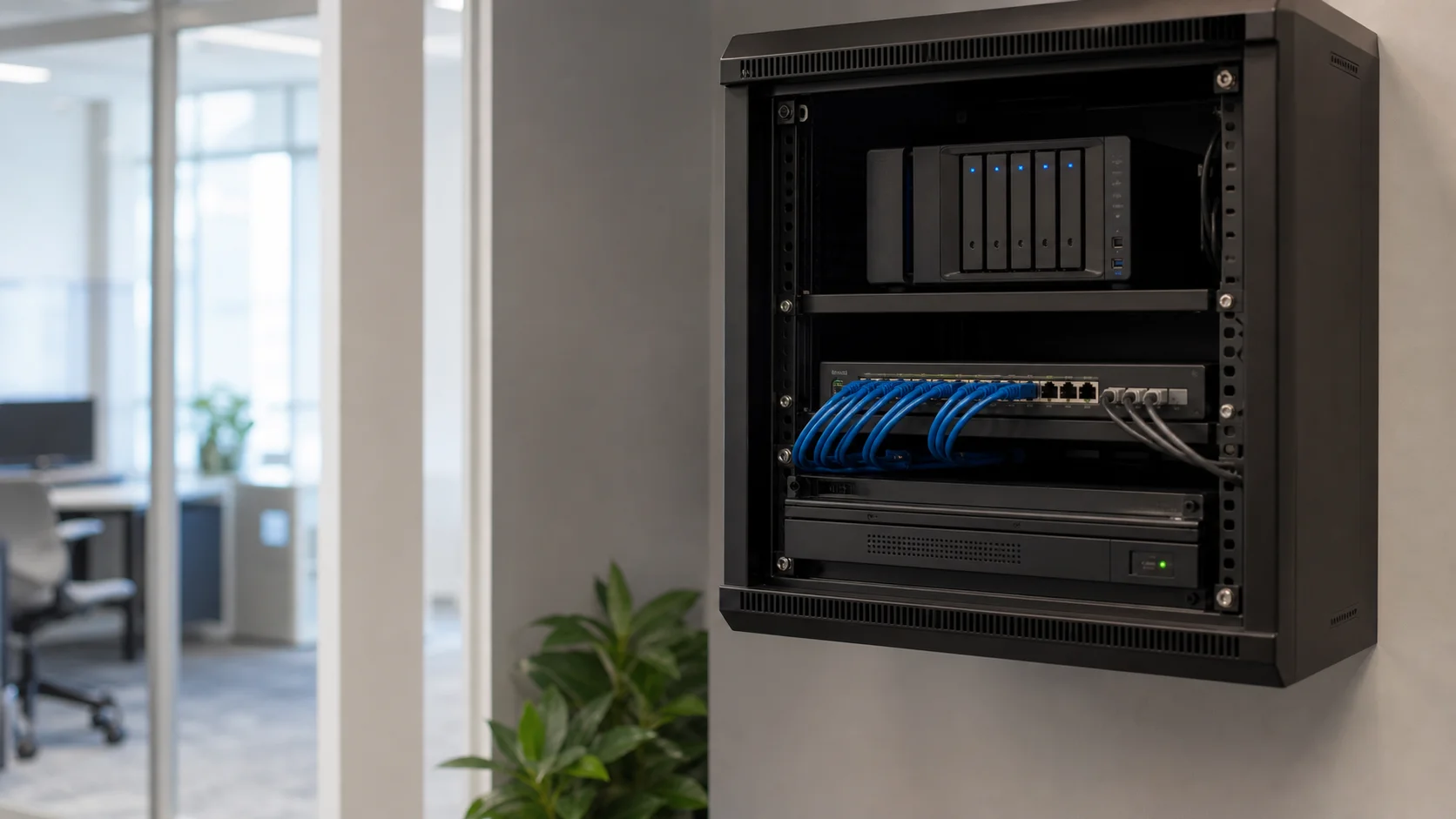
    Servers, NAS, shared files, and backups need follow-up before they interrupt work.

    Access, CCTV, and external vendors lose value when there is no technical coordination.

    ERP, CRM, and management systems should connect with documents, tasks, customers, reports, and real business criteria.

    An isolated improvement matters little if it does not reduce interruptions, lost time, or operational uncertainty.

    Applied AI

    AI that improves response without losing operational control

    AI has value when it classifies messages, prepares replies, detects urgency, and keeps follow-up visible. It does not replace the team's judgment: it removes repetitive work so people can focus on clients, decisions, and higher-value work.

    Administrative operations

    Fewer loose tasks, more follow-through and traceability

    An office often loses time in small steps: requesting data, validating documents, forwarding files, confirming statuses, loading information into management systems, or remembering pending items. Those points can be organized with simple flows, automation, and a clear document base.

    How diagnosis becomes real improvement

    1. 1Map management systems, workstations, service channels, documents, and vendors.
    2. 2Separate urgent interruptions from improvements that can be planned in stages.
    3. 3Propose an implementation order that reduces friction without stopping work.
    4. 4Document criteria, access, flows, and support so the base remains maintainable.

    What the office should notice afterward

    Fewer repeated interruptions during the workday.
    Faster and more structured response through email, calls, or messages.
    Better continuity for files, workstations, servers, and critical systems.
    A clearer technical map for decisions, escalation, and vendor coordination.

    Before adding more tools, it is worth finding where time is lost every day

    The first step can be a concrete review of service channels, management systems, workstations, network, backups, servers, documents, and current vendors.

    Request an operational diagnosis