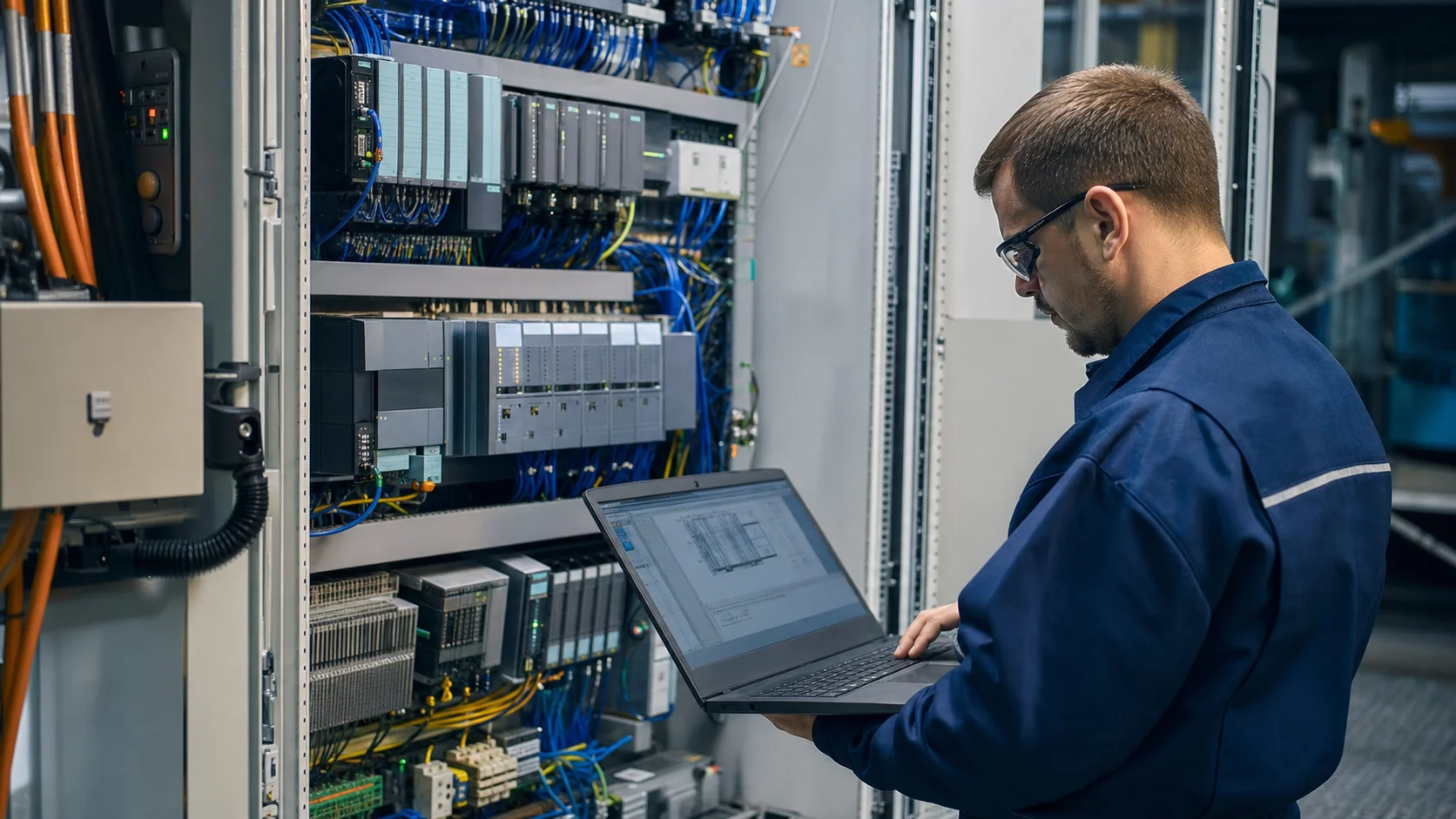
Industrial and plant operations

    Every production downtime hour has a cost. Most of them are avoidable.

    I'm Rafael Rey โ€” I work on infrastructure, PLCs, industrial networks, remote access and operational continuity for plants that cannot afford unplanned stoppages. With direct hands-on experience on Clevertech automation and Amazon Logistik in Germany.

    Service integration

    When production depends on systems that cannot be analyzed separately

    A stoppage does not always start at the machine. It may start with a weak network, undocumented cabinet, unclear alarm, patched production system, or vendor without secure access. Real improvement connects infrastructure, control, maintenance, production management, and support under shared operating criteria.

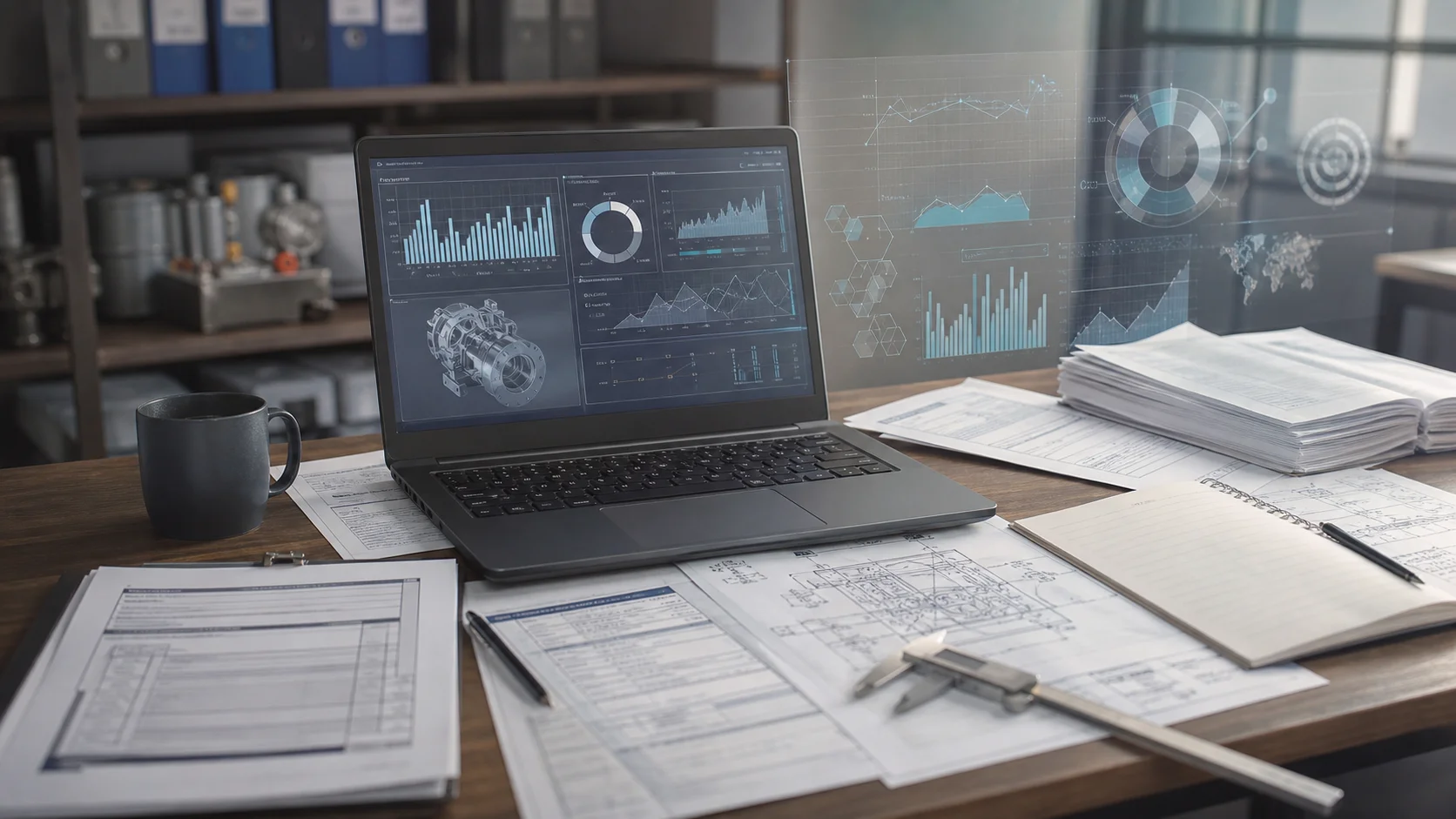
    ERP, MRP, and manufacturing systems should show orders, materials, statuses, and bottlenecks without adding another messy layer.

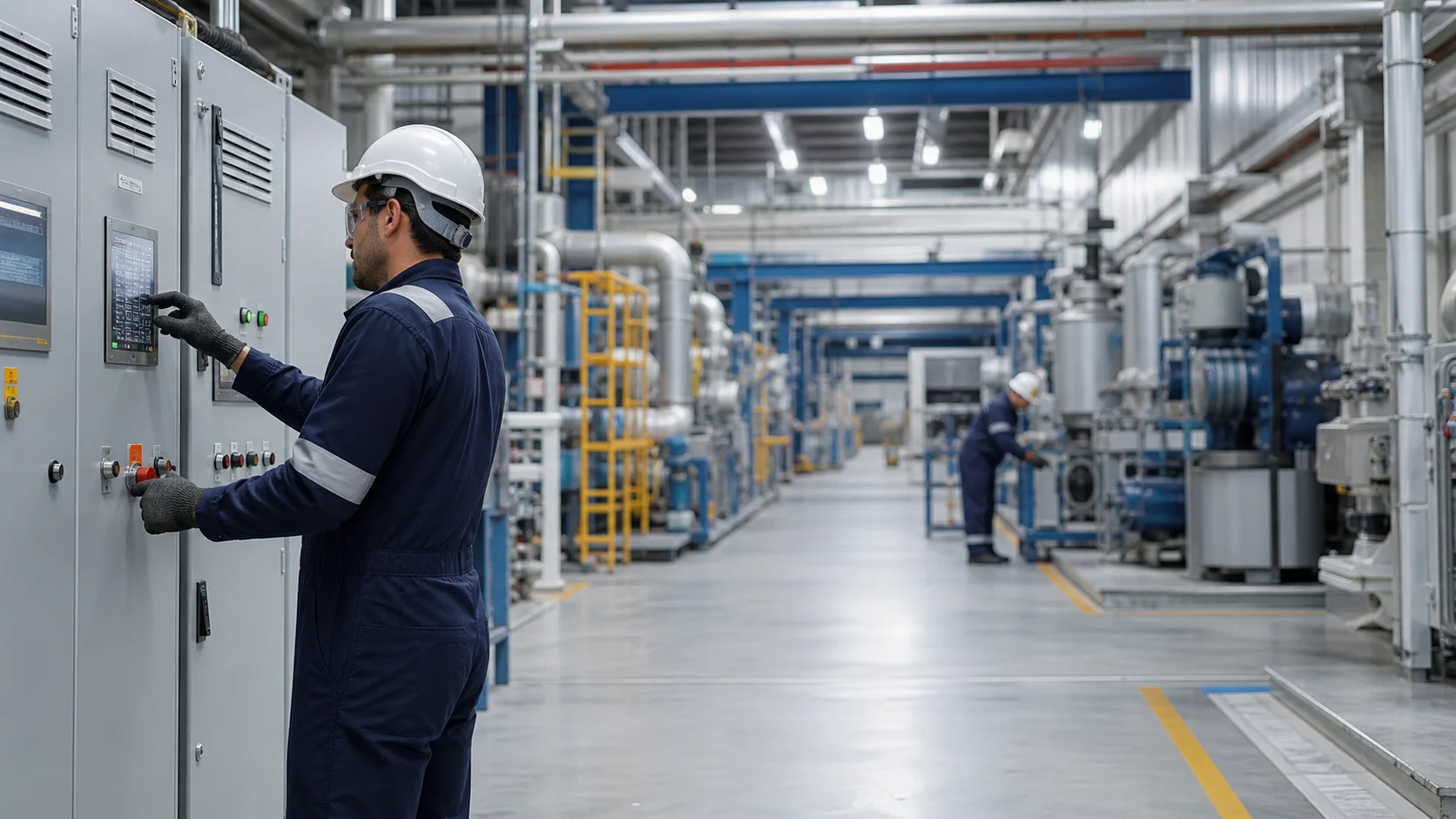
    PLCs, sensors, actuators, and cabinets need documentation and clear intervention criteria.

    Management should connect production, maintenance, stock, vendors, and reporting under one operational view.

    Staged modernization reduces risk when the plant cannot stop to rebuild everything.

    Remote access should enable support without opening unnecessary risk around plant or production.

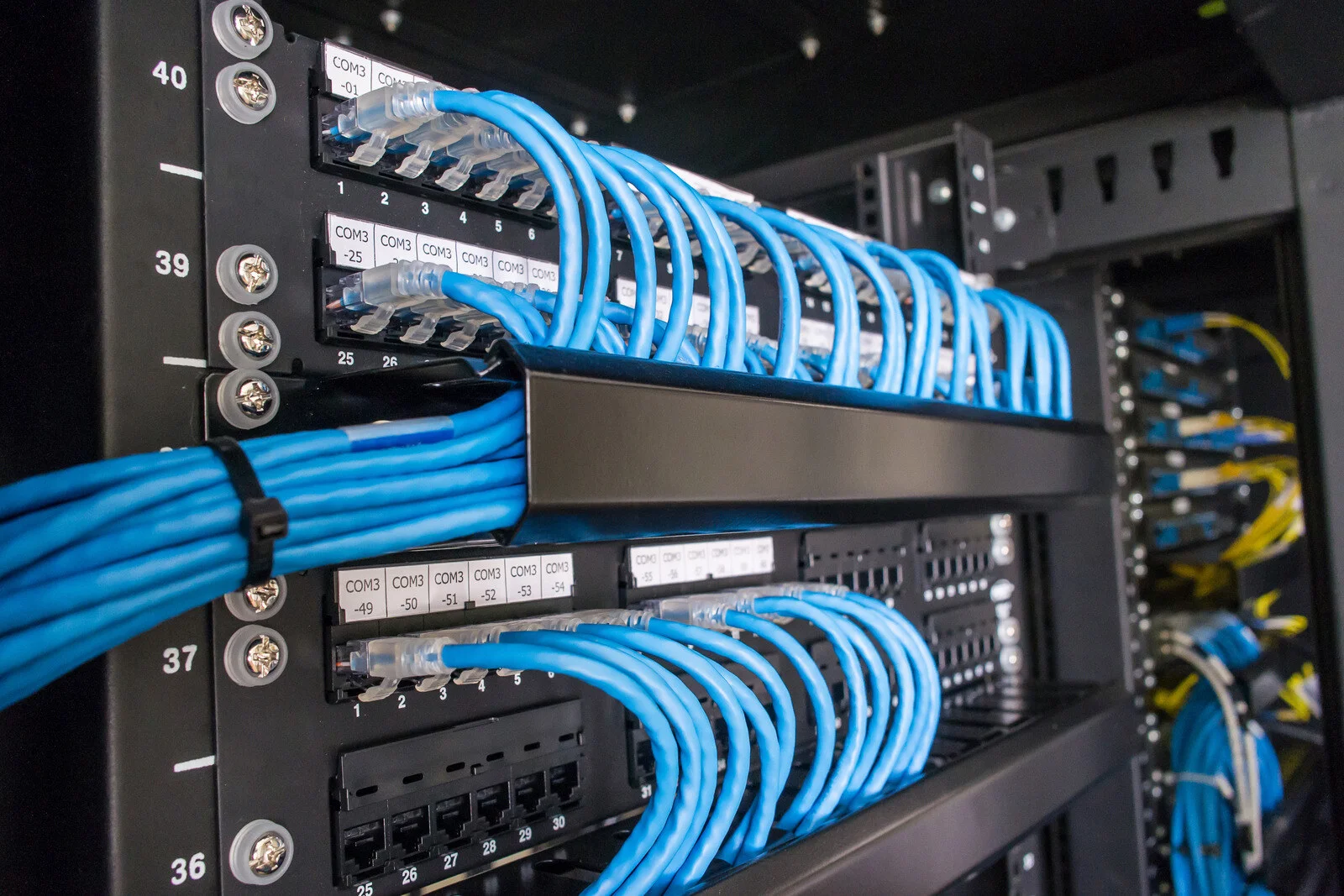
    Networks, switches, industrial Wi-Fi, and links must support diagnosis, supervision, and daily work.

    Applied AI

    Prudent AI for maintenance, documentation, and operational analysis

    In industrial contexts, AI should support technical judgment, not replace it. Its first value is organizing information, classifying incidents, searching documentation, and generating reviewable reports or checklists.

    Critical infrastructures

    The plant also depends on invisible infrastructure

    Production usually sees the failure when the machine stops, but many causes live around it: networking, power, cabling, backups, access, cabinets, local servers, or remote connectivity.

    Control and diagnosis

    Modernize without stopping operations

    Industrial changes must be managed with risk in mind. Often the right move is to diagnose, stabilize, document, and plan staged improvements so production gains reliability, cleans up management, and stops depending on ten disconnected patches.

    How diagnosis becomes real improvement

    1. 1Map infrastructure, control, ERP/MRP, dependencies, access, and production priorities.
    2. 2Identify operational risks, undocumented points, and recurring faults.
    3. 3Separate urgent stabilization, staged improvements, and planned modernization.
    4. 4Document changes, access, procedures, and continuity criteria.

    What the plant should notice afterward

    Fewer interruptions from weak infrastructure or improvised support.
    Faster diagnosis when recurring faults appear.
    Better coordination between maintenance, production, IT, and vendors.
    More visibility over manufacturing orders, materials, statuses, and bottlenecks.

    Before modernizing a plant, it is worth understanding what really supports operations

    The first step can be a concrete review of infrastructure, control, ERP/MRP, production management, remote access, continuity, documentation, and current vendors.

    Request an operational diagnosis